
Your Home's First Line of Defense: Preventing Eavestrough Clogs and Roof Water Damage
As a homeowner in Mississauga, you're no stranger to the heavy spring rains and the inevitable fall leaf blanket. While these seasons have their charm, they also pose a significant threat to one of your home's most critical systems: your eavestroughs. It’s easy to overlook them, but these simple channels are your roof's first line of defense against water damage. When they get clogged, what seems like a minor issue can quickly escalate into a costly and stressful problem, leading to serious damage to your roof, siding, and even your foundation.
At Country Roofing Inc., we believe that proactive care is the best way to protect your home investment. This guide will walk you through why your eavestroughs are so important, how to spot the warning signs of a clog, and what you can do to prevent water damage before it starts.
Understanding the Role of Your Eavestrough System
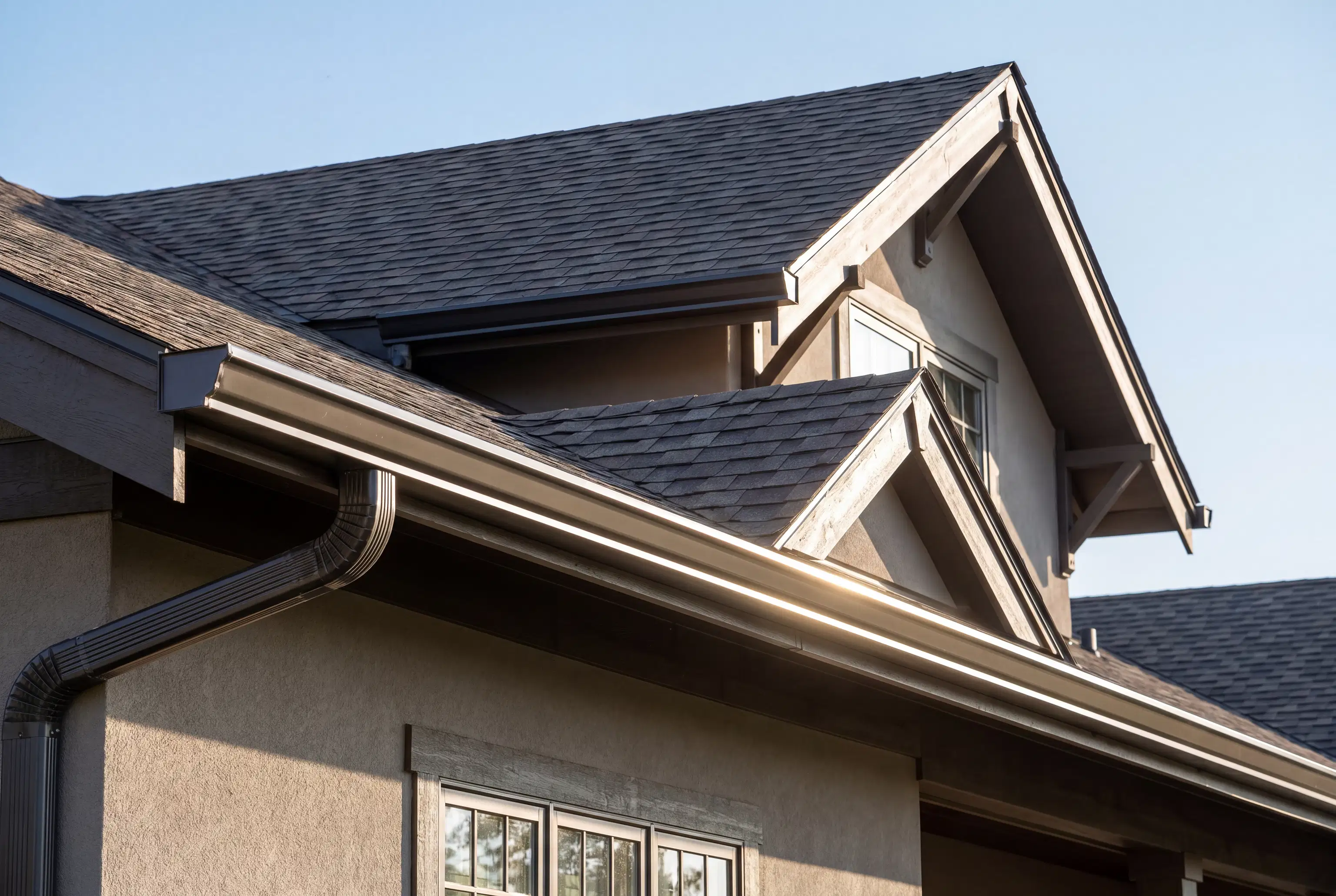
Think of your eavestrough system as the traffic controller for rainwater and melting snow on your roof. Its job is to collect all that water and guide it safely away from your home. This system is more than just the horizontal troughs you see along the roofline; it includes several key components working in harmony:
- Eavestroughs: The main channels that catch the water as it runs off your shingles.
- Downspouts: The vertical pipes that carry water from the eavestroughs down to the ground.
- Fascia: The long, straight board that runs along the lower edge of the roof, to which the eavestroughs are attached. It supports the eavestroughs and protects the edge of the roof deck.
- Soffit: The finished surface below the fascia and rafters, which is crucial for proper attic ventilation.
When this system works correctly, it protects your home's siding from water stains, prevents soil erosion around your property, and keeps your basement or crawl space dry by directing water away from the foundation. A functional eavestrough system is a cornerstone of a healthy residential roofing system.
Telltale Signs of a Clogged Eavestrough
Clogged eavestroughs don't always announce themselves with a dramatic waterfall. Often, the signs are subtle at first. Being able to spot them early can save you from significant repair bills down the road. Keep an eye out for these common red flags:
- Water Spilling Over the Sides: During rainfall, if you see water cascading over the edges of your eavestroughs, it's a clear sign they are blocked and can't handle the flow.
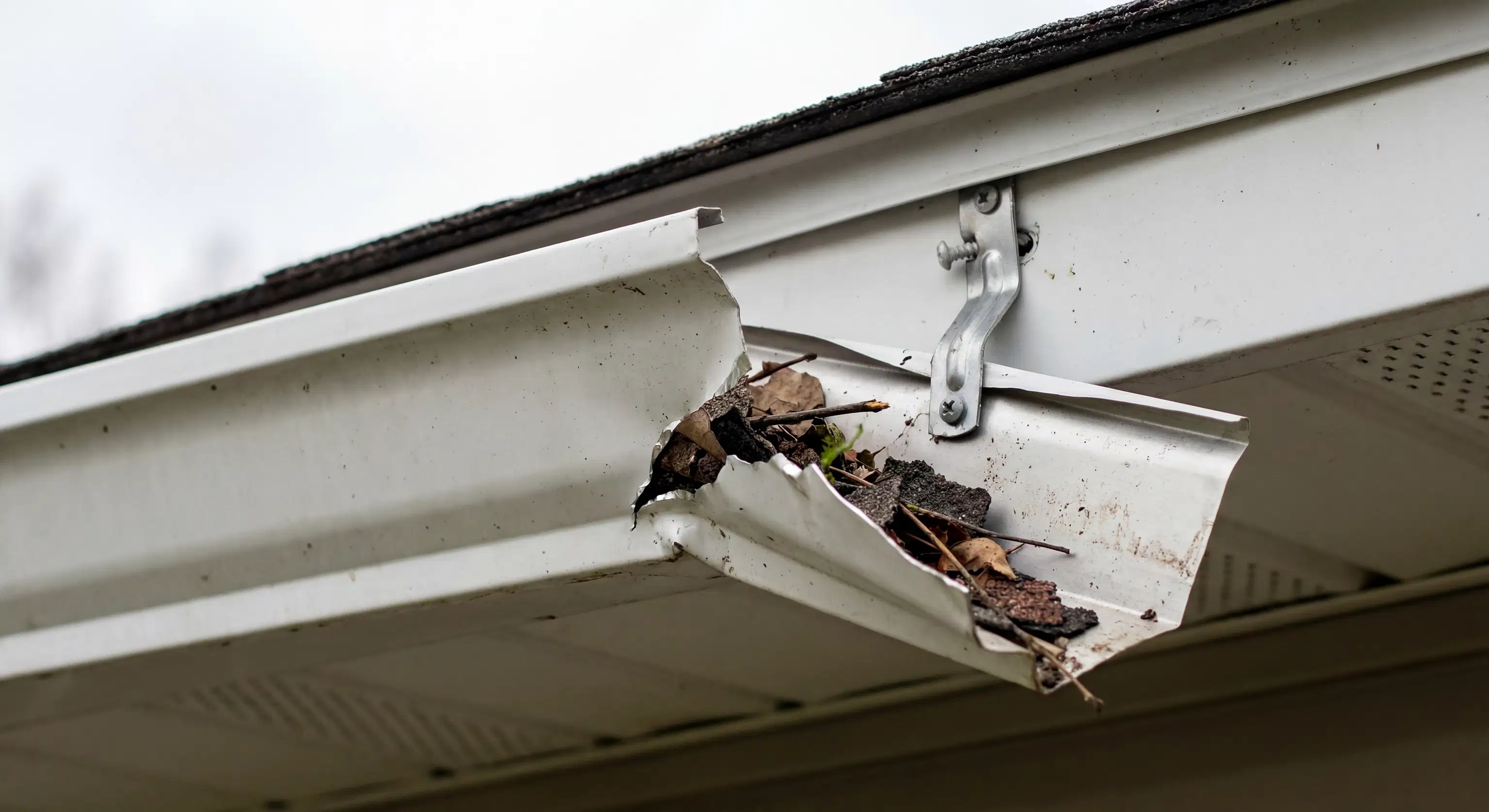
- Sagging or Pulling Away: The weight of trapped water, leaves, and debris can cause eavestroughs to bend, sag, or pull away from the fascia board.
- Visible Debris or Plant Growth: If you can see leaves, twigs, or even small plants sprouting from your eavestroughs, they are definitely clogged.
- Water Stains on Siding: Dark streaks or water stains on the siding directly below the eavestrough indicate persistent overflow.
- Minimal Water from Downspouts: If it's raining heavily but only a trickle is coming out of your downspout, there's a blockage somewhere in the system.
Ignoring these signs allows water to penetrate where it shouldn't, leading to more severe issues.
The Dangers of Neglect: From Clogs to Costly Damage
What happens when a clog is left unattended? The consequences can be severe and affect multiple parts of your home. The constant overflow and trapped moisture create a perfect storm for damage.
One of the most significant risks, especially in our climate, is ice damming. In the winter, clogged eavestroughs trap melting snow and water. When this water refreezes at the edge of your roof, it forms a thick ridge of ice—an ice dam. This dam prevents further snowmelt from draining, forcing water to back up under your shingles. This can lead to saturated insulation, damaged drywall, and even structural rot in your roof deck.
Beyond ice dams, clogged eavestroughs can also cause:
- Roof Rot: Water backing up onto the roof can seep under the shingles and rot the plywood sheathing and rafters.
- Fascia and Soffit Damage: The boards your eavestroughs are attached to can rot and decay from constant exposure to moisture.
- Foundation Issues: When water pools around your home's foundation instead of being directed away, it can lead to cracks, leaks, and serious structural problems over time.
In sudden, severe cases, this kind of water intrusion may require emergency roof repair to prevent further damage to your home's interior.
A Proactive Approach to Prevention
Fortunately, preventing eavestrough clogs and the resulting water damage is straightforward with a consistent maintenance routine. Protecting your home is all about being proactive, not reactive.
- Clean Them Regularly: The most effective step is to clean your eavestroughs at least twice a year—once in late spring after trees have dropped their seeds and again in late autumn after the leaves have fallen.
- Inspect Downspouts: When cleaning, flush your downspouts with a hose to ensure there are no hidden blockages. Make sure the water is being discharged several feet away from your foundation.
- Trim Overhanging Branches: Pruning tree branches that hang over your roof will reduce the amount of leaves and twigs that fall into your eavestroughs in the first place.
- Schedule Professional Inspections: While DIY cleaning is great, it's wise to have a professional perform a comprehensive roof inspection annually. A trained expert can spot issues you might miss, such as improper eavestrough slope, loose fasteners, or early signs of rot on the fascia. A regular roofing maintenance plan can catch these problems before they become expensive headaches.
Protect Your Investment with Professional Care
Your eavestrough system is a small but mighty component of your home's overall health. Keeping it clean and functional is one of the most cost-effective ways to prevent widespread water damage and protect the structural integrity of your property. By recognizing the warning signs of a clog and committing to a regular maintenance schedule, you can ensure your home is prepared to handle whatever weather comes its way.
If you've noticed any of the issues mentioned above or want the peace of mind that comes with professional care, the team at Country Roofing Inc. is here to help. We provide thorough inspections, maintenance, and repair services for homeowners throughout the Mississauga area. Contact us today to schedule a consultation and keep your home safe, dry, and protected for years to come.