
Protecting Your Home: A Guide to Preventing Spring Wildlife Damage on Your Roof
Spring in Mississauga brings warmer weather, blooming gardens, and the welcome return of sunshine. Unfortunately, it also marks the time when local wildlife, from raccoons to squirrels, become more active and start looking for safe places to build their nests. For many of these critters, the cozy, sheltered space of your attic, accessed through your roof, is the perfect real estate. What starts as a small nuisance can quickly escalate into significant and costly damage to your home's most important line of defense. This guide will walk you through the common signs of animal intrusion and provide practical steps to protect your roof, ensuring your home remains a safe haven for your family, not for unwanted wildlife.
The Unwanted Tenants: Common Culprits and The Damage They Cause
Understanding who might be trying to move in is the first step in protecting your property. Different animals cause different types of problems, and recognizing them can help you address the issue effectively.
-
Raccoons: These intelligent and strong animals are notorious for causing severe roof damage. They can use their strength to rip off shingles, tear through soffits, and bend or remove vent covers to create an entry point. Once inside, they can damage insulation, chew on wiring, and create significant leaks.
-
Squirrels: Don't underestimate these small but persistent rodents. Squirrels are avid chewers and can gnaw through wood fascia boards, aluminum, and plastic vents. Their entry holes may be smaller, but they can still lead to water damage and create pathways for other pests.
-
Birds: While seemingly harmless, birds nesting in your roof's vents or eavestroughs can cause serious blockages. This can impede proper attic ventilation, leading to moisture buildup and potential ice damming in the winter. Their nesting materials can also clog eavestroughs, causing water to back up and seep under the roofline.
-
Bats and Other Pests: Smaller creatures can find their way through tiny, pre-existing gaps. While they may not cause the same level of structural damage, their presence can lead to health concerns from droppings (guano) and introduce other pests like mites.
Telltale Signs: How to Know if Wildlife Has Compromised Your Roof
Early detection is crucial to minimizing damage. A small issue caught today can save you from a major repair bill tomorrow. Keep an eye (and an ear) out for these common warning signs:
- Unusual Noises: Are you hearing scratching, scurrying, or chittering sounds coming from your attic or walls, especially at dawn or dusk? This is often the first and most obvious sign of an animal infestation.
- Visible Exterior Damage: Take a walk around your property and look up. Do you see chewed or damaged fascia boards or soffits? Are any shingles bent, loose, or missing? Look for damage around roof vents and chimneys.
- Nesting Debris: Check your eavestroughs and the base of your downspouts for twigs, leaves, and other nesting materials. You might also spot torn insulation or debris near potential entry points on the roof.
- Interior Clues: Water stains appearing on your ceiling or walls can be a direct result of a leak caused by animal damage. If you have safe access to your attic, look for droppings, disturbed insulation, or daylight shining through holes in the roof deck.
Proactive Protection: Making Your Roof Less Inviting
Prevention is always the best strategy. By making your roof a less attractive target, you can significantly reduce the risk of animal intrusion. Here are some effective preventative measures:
- Trim Overhanging Branches: Trees provide a convenient bridge for animals to get onto your roof. Keep all branches trimmed back at least six to eight feet from your roofline.
- Maintain Your Eavestroughs: Clogged eavestroughs collect water and debris, creating an attractive environment for pests and potentially causing water to back up against the fascia, weakening the wood.
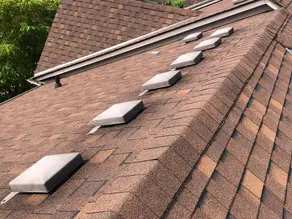
- Secure Vents and Openings: Your roof has several vents for plumbing, kitchen, and bathroom fans. These are common entry points. Investing in professional washroom and kitchen vents installation with durable, animal-proof covers is one of the most effective deterrents.
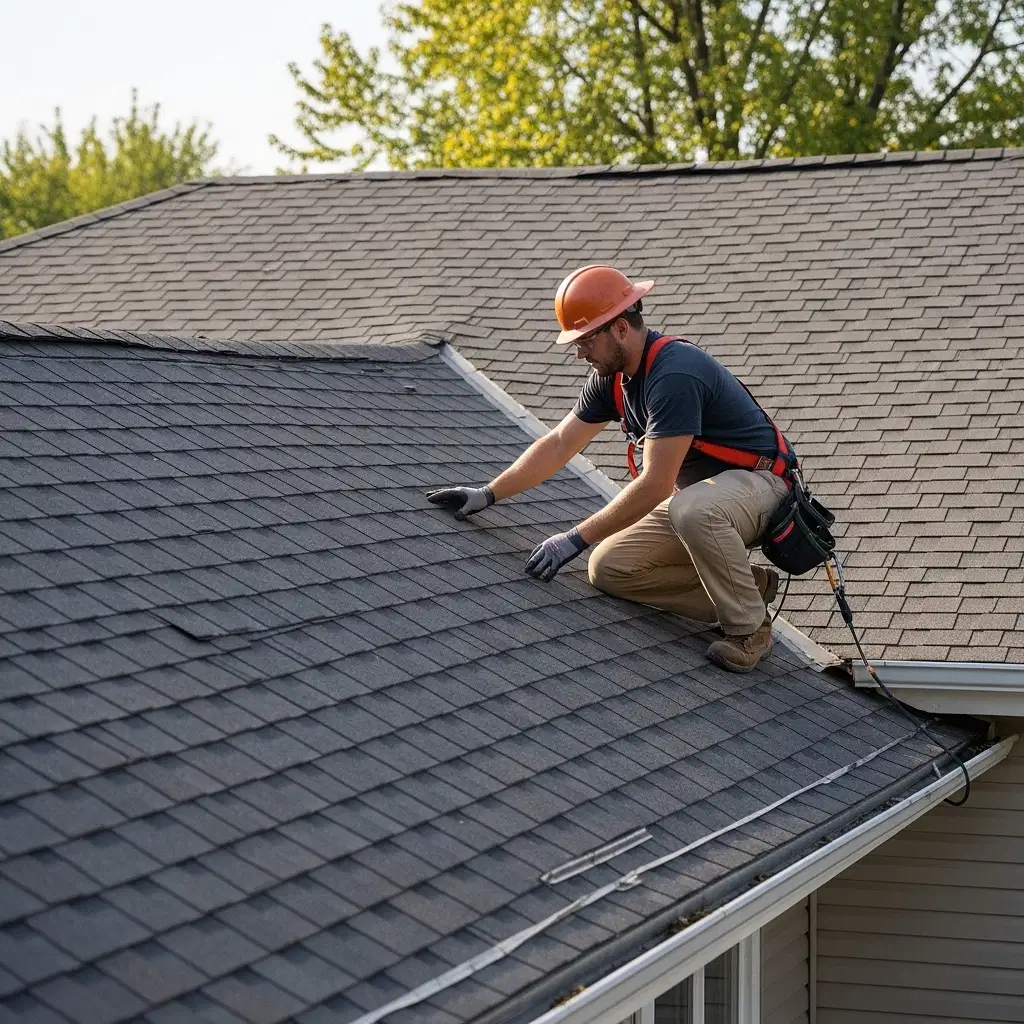
- Schedule Regular Inspections: Small issues like a loose piece of soffit or a cracked shingle can become a major vulnerability. A professional roof inspection can identify these weak spots before an animal does. Our thorough process involves a detailed on-roof assessment, complete with photos and a comprehensive report, so you know exactly what condition your roof is in.
When You Suspect Damage: The Professional Solution
If you've found evidence of wildlife on your roof, it's time to call in the experts. Attempting to remove animals yourself can be dangerous, and patching the damage without addressing the root cause is only a temporary fix.
At Country Roofing Inc., we specialize in addressing roof animal damage. Our process is built on honesty, transparency, and quality—our core values. We begin with a comprehensive inspection to assess the full extent of the damage and identify all entry points. From there, we develop a clear plan to:
- Repair the Damage: This can involve replacing chewed plywood, torn shingles, and damaged soffit or fascia to restore the structural integrity of your roof.
- Secure Your Home: We ensure all entry points are professionally sealed with durable materials to prevent future intrusions.
- Address Urgent Issues: If the damage has resulted in a significant leak, our emergency roof repair services can provide a rapid response to protect your home from further water damage.
Don't let wildlife turn your biggest investment into their personal den. By being proactive and partnering with a trusted roofing professional, you can ensure your roof is secure, durable, and ready to protect your family through every season. If you're concerned about potential animal damage to your Mississauga home, contact Country Roofing Inc. today for a thorough inspection and peace of mind.