
Beat the Heat (and Cold): Why Proper Attic Ventilation is Key for Your Mississauga Home
Is your home's upper floor unbearably hot during the summer? Do you find your air conditioner running non-stop, struggling to keep up? Or maybe you've noticed thick ridges of ice along your roof's edge in the winter. These common frustrations for homeowners in Mississauga often point to a single, overlooked culprit: poor attic ventilation.
Your attic's ability to breathe is one of the most critical factors for your home's overall health, comfort, and energy efficiency. It’s more than just a space to store old boxes; it’s the buffer zone that protects your living space from the harsh Ontario elements. A well-ventilated attic extends the life of your roof, lowers your energy bills, and makes your home a more comfortable place to live year-round. In this guide, we'll explore the signs of poor ventilation, how a proper system works, and the steps you can take to ensure your home is protected.
Telltale Signs Your Attic Can't Breathe
An improperly ventilated attic will send out distress signals. The key is knowing what to look for. Often, the signs are mistaken for other issues, leading to costly but ineffective solutions. Here are the most common indicators that your attic airflow is compromised:
- Sweltering Upper Floors: The most obvious sign in summer is a second story that feels significantly hotter than the main floor. A poorly ventilated attic can reach temperatures of over 65°C, radiating heat downward and forcing your AC into overdrive.
- Sky-High Energy Bills: If your cooling costs are climbing each summer, your attic is a likely suspect. Your HVAC system simply can't win the battle against a superheated attic, leading to constant operation and wasted energy.
- Winter Ice Dams: That thick ridge of ice on your eavestroughs isn't just a winter nuisance; it's a clear sign of a warm attic. Heat escaping from your living space gets trapped, melting snow on the roof. This water runs down and refreezes at the colder edge, creating a dam. This can force water back up under your shingles, causing serious leaks and water damage. This phenomenon, known as ice damming, is a major concern for homes in our climate.
- Moisture and Frost: In the winter, check your attic for signs of condensation, frost on the underside of the roof sheathing, or damp insulation. Warm, moist air from your home rises and, if it can't escape, will condense on the cold surfaces, leading to potential mold, mildew, and wood rot.
- Premature Roof Deterioration: An overly hot attic can literally bake your asphalt shingles from the inside out, causing them to become brittle, curl, and fail long before their expected lifespan is up. This compromises your entire residential roofing system.
How a Balanced Ventilation System Works
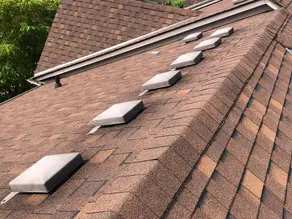
Effective attic ventilation isn't about just adding a few vents; it's about creating a balanced, continuous flow of air. The system relies on a simple principle of physics: hot air rises. A proper system has two essential parts that work together:
-
Intake Vents: These vents are located at the lowest part of the roof, typically in the soffit (the underside of your roof's overhang). Their job is to allow cool, dry air from the outside to enter the attic space.
-
Exhaust Vents: Located at or near the peak of the roof, these vents allow the warm, moist air that has risen to the top of the attic to escape. Common types include ridge vents (which run along the entire peak), gable vents, or turbine vents.
For the system to work, it must be balanced. You need an equal amount of intake and exhaust ventilation. Without enough intake from the soffit vents, the exhaust vents can't effectively remove the hot air. This passive system works year-round to keep the attic temperature and moisture levels as close to the outside conditions as possible, protecting your home from the extremes of both summer and winter.
The Real-World Benefits of Optimal Airflow
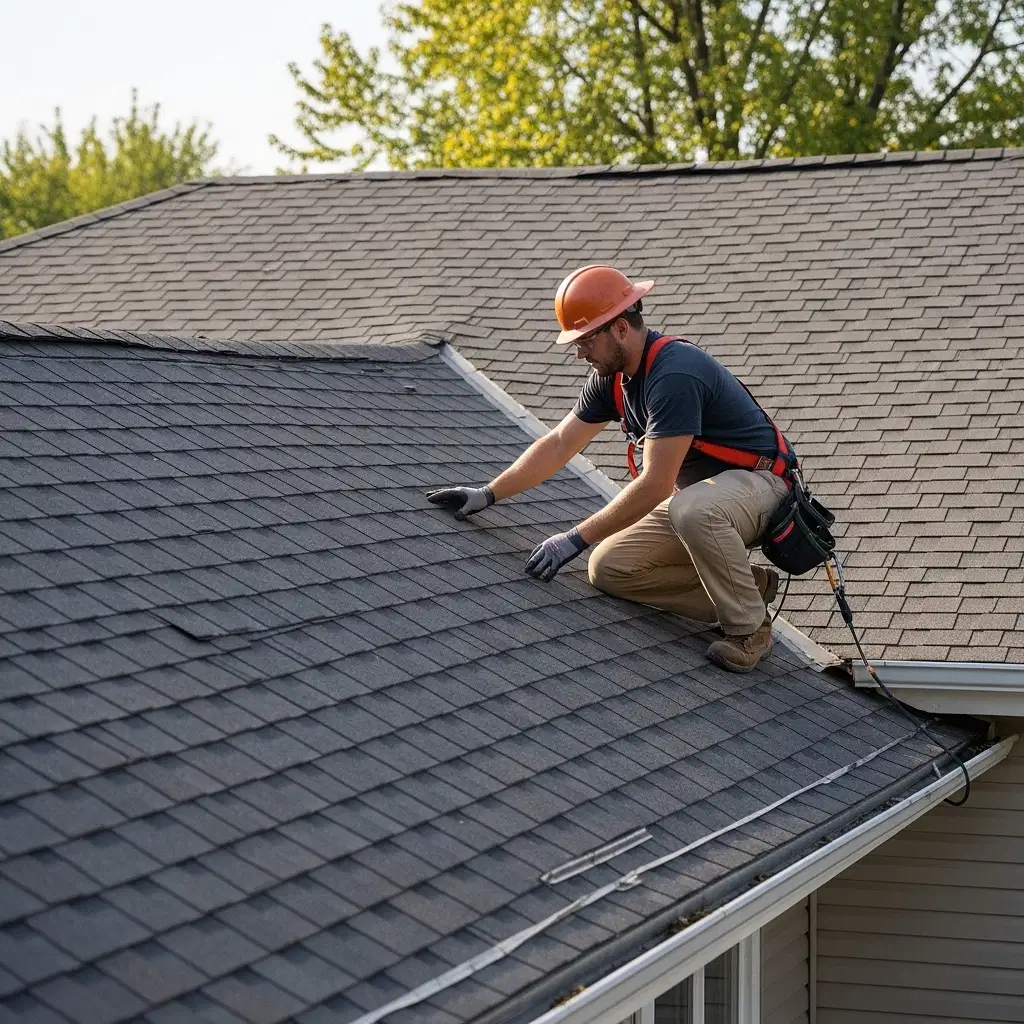
Investing in proper attic ventilation pays dividends in comfort, savings, and peace of mind. By ensuring your attic can breathe, you're not just fixing a problem—you're upgrading your entire home system.
- Year-Round Comfort: A well-ventilated attic keeps your home cooler in the summer and protects it from moisture damage in the winter, creating a more stable and comfortable living environment.
- Lower Energy Consumption: By reducing the heat load on your home in the summer, you'll see a noticeable decrease in your air conditioning bills. Your HVAC system will run more efficiently and last longer.
- Extended Roof Lifespan: Protecting your shingles and roof decking from extreme heat and moisture buildup is the single best way to maximize the life of your roof, saving you from a premature and expensive replacement.
- Improved Attic Health: Proper airflow prevents the growth of mold and mildew, which can cause health issues and lead to costly remediation. It also protects the structural integrity of your roof's wooden components.
At Country Roofing Inc., we specialize in designing and implementing effective roof ventilation installation solutions tailored to your home's specific needs. We also provide comprehensive attic installation services to ensure your entire roofing system is working in harmony.
Is Your Home's Ventilation System Doing Its Job?
Many homes, particularly older ones, were built before modern ventilation standards were established. Even in newer homes, vents can be accidentally blocked by insulation, debris, or improper installation during a previous repair. The only way to know for sure is with a professional evaluation.
A thorough inspection can identify blocked soffit vents, inadequate exhaust, and an imbalanced system. A professional can calculate the precise amount of ventilation your attic needs based on its size and your roof's design, recommending the most effective and efficient solutions.
Don't guess when it comes to the health of your home. A professional roof inspection can provide a clear picture of your attic's performance and give you a roadmap for improving your home's comfort and efficiency.
Protect Your Home and Your Comfort
Proper attic ventilation is a fundamental component of a healthy, durable, and energy-efficient home. If you've noticed any of the warning signs, from a hot second floor to winter ice dams, it's time to take action.
Let the experts at Country Roofing Inc. help you ensure your home is breathing properly. We provide professional ventilation assessments and installation services for homeowners across Mississauga and the surrounding areas. Contact us today to schedule a consultation and take the first step toward a more comfortable and protected home.