
A Homeowner's Guide to Preventing Ice Damming on Mississauga Roofs
As winter settles in across Mississauga, homeowners start to see the familiar sight of snow-covered roofs and glistening icicles. While they can look beautiful, those large icicles hanging from your eavestroughs can be a warning sign of a serious problem: ice damming. This common winter issue is more than just a cosmetic concern; it can lead to water backing up under your shingles, causing leaks, damaging your insulation, and even compromising your home's structural integrity. The good news is that with the right knowledge and preventative measures, you can protect your home. At Country Roofing Inc., we believe in empowering homeowners with honest, transparent information. This guide will walk you through what causes ice dams and, most importantly, how to prevent them for good.
What Exactly is an Ice Dam?
Understanding how an ice dam forms is the first step to preventing one. The process is a chain reaction caused by uneven temperatures on your roof's surface. Here’s how it happens:
- Heat Escapes: Warm air from your living space rises and escapes into your attic. If the attic floor isn't properly insulated, this heat warms the underside of your roof deck.
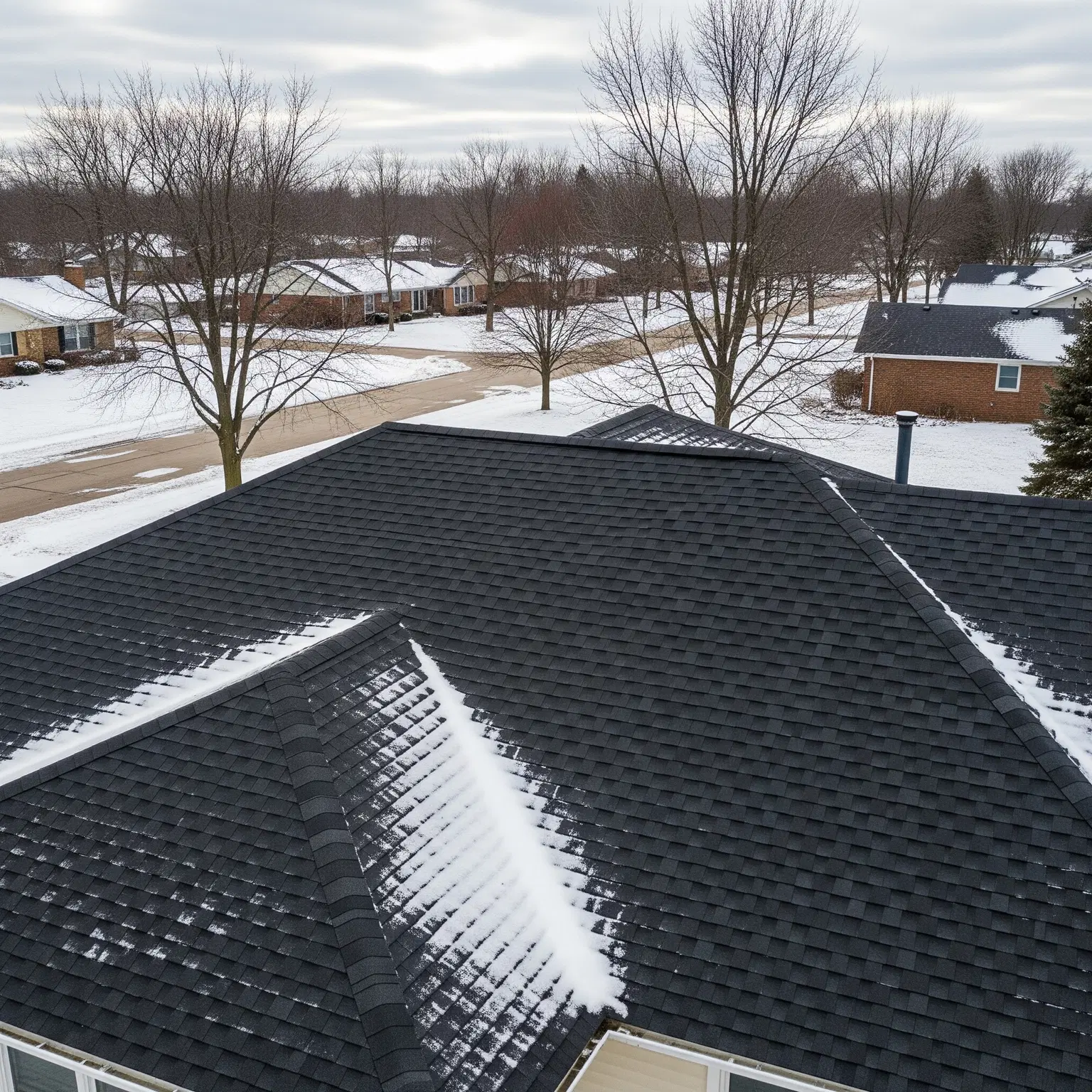
- Snow Melts: The snow on the upper, warmer parts of your roof melts, even when the outside temperature is below freezing. This meltwater runs down the slope of your roof underneath the blanket of snow.
- Water Refreezes: When the water reaches the colder edges of your roof (the eaves and overhangs, which aren't heated from the attic below), it refreezes.
- A Dam is Formed: As this process repeats, a thick ridge of ice—an ice dam—builds up along the roofline. This dam blocks any further meltwater from draining properly into the eavestroughs.
With nowhere to go, the trapped water pools behind the dam. This standing water can then work its way up under your shingles, through the nail penetrations, and into your attic and home, causing significant water damage. The root cause isn't the snow or the cold; it's the heat escaping from your house.
The Long-Term Solution: A Two-Part Strategy
While some companies might offer quick fixes like steaming away existing ice, this is only a temporary solution to the symptom, not the cause. True prevention focuses on keeping your entire roof surface consistently cold, so snow melts evenly and drains away properly. This is achieved through a combination of proper insulation and ventilation.
1. Sealing and Insulating Your Attic
The most critical step is to stop warm air from reaching your roof deck in the first place. This involves air sealing any gaps in your attic floor—around light fixtures, plumbing stacks, and hatches—and then adding a sufficient amount of insulation. A well-insulated attic acts like a lid on your home, keeping the conditioned air where it belongs. This not only prevents ice dams but also significantly improves your home's energy efficiency, which is a priority for many homeowners looking for long-term value and savings.
2. Ensuring Proper Roof Ventilation
Even with great insulation, some heat can still find its way into the attic. That's where ventilation comes in. A balanced roof ventilation system creates a continuous flow of cold, outdoor air through the attic space. This is typically done with intake vents at the lowest part of the roof (the soffits) and exhaust vents at the highest point (the ridge). This airflow flushes out any residual warm air and keeps the underside of the roof deck the same temperature as the outside air. A cold, well-ventilated roof is the number one defense against ice dam formation.
What to Do If You Already Have an Ice Dam
If you're currently dealing with a wall of ice along your roofline, it's important to act carefully to avoid damaging your home or injuring yourself. Here are a few dos and don'ts:
- DON'T try to chip or break the ice away with a shovel or hammer. This can easily damage your shingles and eavestroughs, leading to more expensive repairs.
- DON'T use rock salt or calcium chloride. These chemicals can be corrosive, damaging your roofing materials, gutters, and the landscaping below.
- DO consider using a roof rake to carefully pull snow off the first few feet of your roof's edge. Removing the snow (the fuel for the melting process) can help reduce the severity of the problem. Only do this from the ground and if it is safe to do so.
For large, established ice dams that are actively causing leaks, the safest and most effective removal method is professional steaming. A professional roofing contractor has the specialized equipment to melt the ice safely without causing harm to your roof. If you're facing this situation, it's best to call for emergency roof repair to address the immediate threat and prevent further water intrusion.
Protect Your Home This Winter with Country Roofing Inc.
Ice damming is a clear sign that your roof system isn't functioning as it should. While the damage it causes can be stressful, the solution lies in addressing the root causes of heat loss and poor ventilation. Investing in proper insulation and a balanced ventilation system is an investment in the long-term health, durability, and value of your home.
Don't wait for water stains to appear on your ceiling. If you've struggled with ice dams in the past or want to proactively protect your Mississauga home, our team is here to help. Contact Country Roofing Inc. today to schedule a thorough roof inspection. We'll assess your attic and roof system, identify vulnerabilities, and provide you with an honest, effective plan for permanent ice damming prevention.